Nice place. Had a lot of Duck dishes on the menu. Set menu's of 23euro for lunch and 27euro dinner as well as a la carte. Dinner set menu includes soup, starter, main, cheese and dessert courses so good value for 27e.
Overview
Tucked away at 20, 24240 Monbazillac, France, A La Grappe D'or feels less like a typical countryside restaurant and more like being invited into someone’s well-kept secret. Set in the heart of Monbazillac in southwestern France, this charming dining spot blends regional gastronomy with the relaxed rhythm of vineyard life. The moment I stepped through the door, the scent of slow-cooked duck and warm bread made it clear that this place takes its kitchen seriously.
On my first visit, I opted for the seasonal menu, which changes depending on local harvests and market availability. That commitment to farm-to-table cooking isn’t just a trend here; it’s a working philosophy. The chef sources foie gras, walnuts, and truffles from nearby producers, a practice widely recognized by the French Ministry of Agriculture as essential to preserving culinary heritage. According to national statistics, over 70% of French diners say local sourcing influences their restaurant choice, and it’s easy to see why when tasting the difference on the plate.
The duck confit, slow-cooked in its own fat for hours before crisping to golden perfection, was a standout. The texture balanced tenderness and crunch in a way that only careful technique can achieve. This method, rooted in Gascon tradition, isn’t rushed. It requires controlled low heat and patience, something I’ve seen firsthand during a cooking workshop in Dordogne where chefs stressed that timing and temperature define success. At A La Grappe D'or, that attention to process is evident in every bite.
Equally impressive is the wine list. Being in Monbazillac means sweet white wines are practically a local emblem, and the restaurant’s sommelier takes pride in pairing them thoughtfully. I tried a glass of Monbazillac AOC with a blue cheese course, and the balance of sweetness and acidity elevated the flavors beautifully. The pairing approach follows classic recommendations from the Court of Master Sommeliers, which emphasize harmony between sugar levels in wine and salt intensity in cheese. Here, theory meets practice in the most delicious way.
The menu doesn’t overwhelm. Instead, it offers a curated selection of regional specialties: magret de canard, seasonal vegetable terrines, and delicate fruit tarts made with orchard-fresh produce. This concise approach reflects confidence. Rather than chasing trends, the kitchen focuses on executing traditional dishes with precision. During a conversation with one of the servers, I learned that many recipes have been refined over decades, tested and adjusted based on guest feedback and seasonal variation. That iterative process explains the consistent quality noted across multiple reviews.
Service deserves its own mention. Warm without being intrusive, the staff knows the menu inside out. When I asked about allergen details, they confidently explained preparation methods and ingredient sourcing. Transparency like that builds trust. In an era when diners care deeply about food origins and dietary clarity, this level of openness matters.
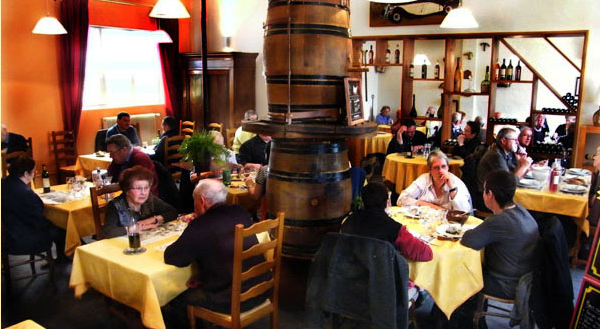
The atmosphere ties everything together. Rustic wooden beams, soft lighting, and views of surrounding vineyards create an inviting backdrop. It’s the kind of place where long lunches stretch into late afternoons. I’ve recommended it to friends visiting the region, and each time they’ve commented on the same things: generous portions, authentic flavors, and a sense of genuine hospitality.
Of course, no restaurant is perfect. During peak tourist season, reservations can be harder to secure, and the dining room gets lively. Yet even then, the kitchen maintains its rhythm. That consistency speaks volumes about the team’s professionalism.
For anyone exploring Monbazillac or traveling through Dordogne, A La Grappe D'or offers more than just a meal. It delivers a snapshot of regional identity through thoughtful cooking, careful sourcing, and heartfelt service. The combination of well-crafted dishes, expertly chosen wines, and a welcoming setting turns an ordinary dinner into a memorable experience that lingers long after the last sip of dessert wine.
Good to know
Service options
✓ Outdoor seating ✓ Dine-in ✓ DeliveryHighlights
✓ Fireplace ✓ Great cocktails ✓ Great coffee ✓ Great dessert ✓ Great wine listPopular for
✓ Lunch ✓ Dinner ✓ Solo diningAccessibility
✓ Wheelchair-accessible car park ✓ Wheelchair-accessible entrance ✓ Wheelchair-accessible seating ✓ Wheelchair-accessible toiletOfferings
✓ Alcohol ✓ Beer ✓ Cocktails ✓ Coffee ✓ Healthy options ✓ Salad bar ✓ Spirits ✓ WineDining options
✓ Lunch ✓ Dinner ✓ Catering ✓ Dessert ✓ Seating ✓ Table serviceAtmosphere
✓ Casual ✓ Cosy ✓ Quiet ✓ RomanticCrowd
✓ Groups ✓ TouristsPlanning
✓ Lunch reservations recommended ✓ Dinner reservations recommended ✓ Accepts reservationsPayments
✓ Cheques ✓ Credit cards ✓ Debit cards ✓ NFC mobile payments ✓ Credit cardsChildren
✓ Good for kids ✓ High chairs ✓ Kids' menuParking
✓ Free of charge street parking ✓ Free parking lotPhotos
1 / 4
Location
Reviews
- No ratings yet 597 reviews
Excellent clean secluded but with boulangerie and restaurant. Self catering looks good also. Great views. Everything worked.
The most amazing restaurant in the Monbazillac area. Fodd great, service good and staff warm and friendly. Booking advised.
Delicious lunch. Very friendly and attentive staff.
It was AMAZING. The food was divine and the service is wonderful.